Silva Ajemian and Jorge Prado (TODO DA)
Invited competition proposal, 2 layers of fishing net creating a double wall of rotating squares, 2011
With First Street Green
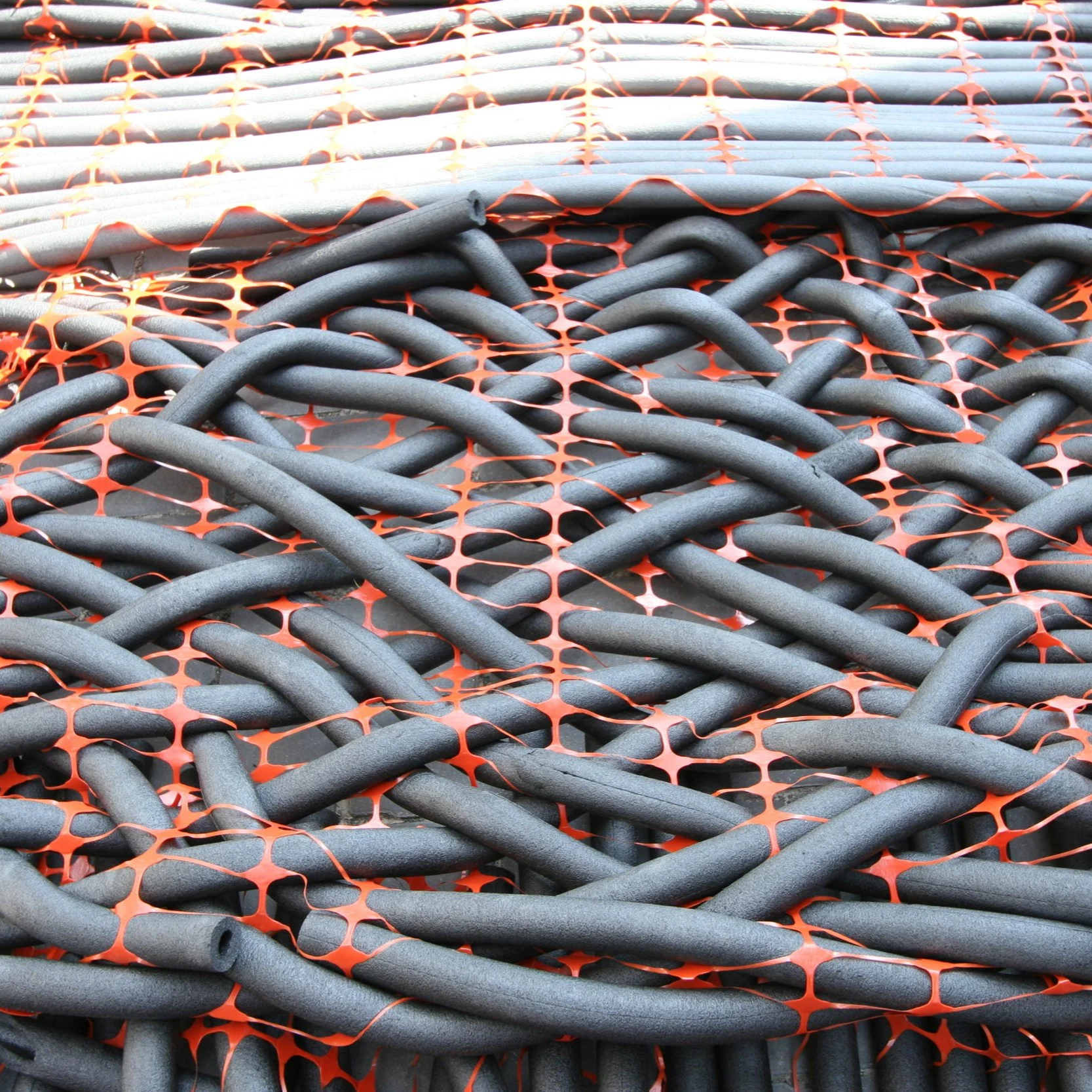
CARPETS, Pipe insulation and construction net, 2012
VISIONING MAP, Ideas City with new Museum and partners, construction net, 2013
In 2008 Silva Ajemian and Jorge Prado teaming up with residents of First Street in Manhattan co-founded First Street Green, and open art space, a non-profit collaboration with the goal of converting a derelict lot of land located at 33 East 1st Street from an inaccessible, garbage-strewn, rat-infested piece of “vacant” land into an active public space.
Collaborating with NYC Parks and Partnership For Parks, FSG has successfully incorporated the lot into First Park. Today, FSG provides ongoing cultural activity in First Park by engaging with emerging artists, architects, community and cultural groups through a series of programs that activate this place.
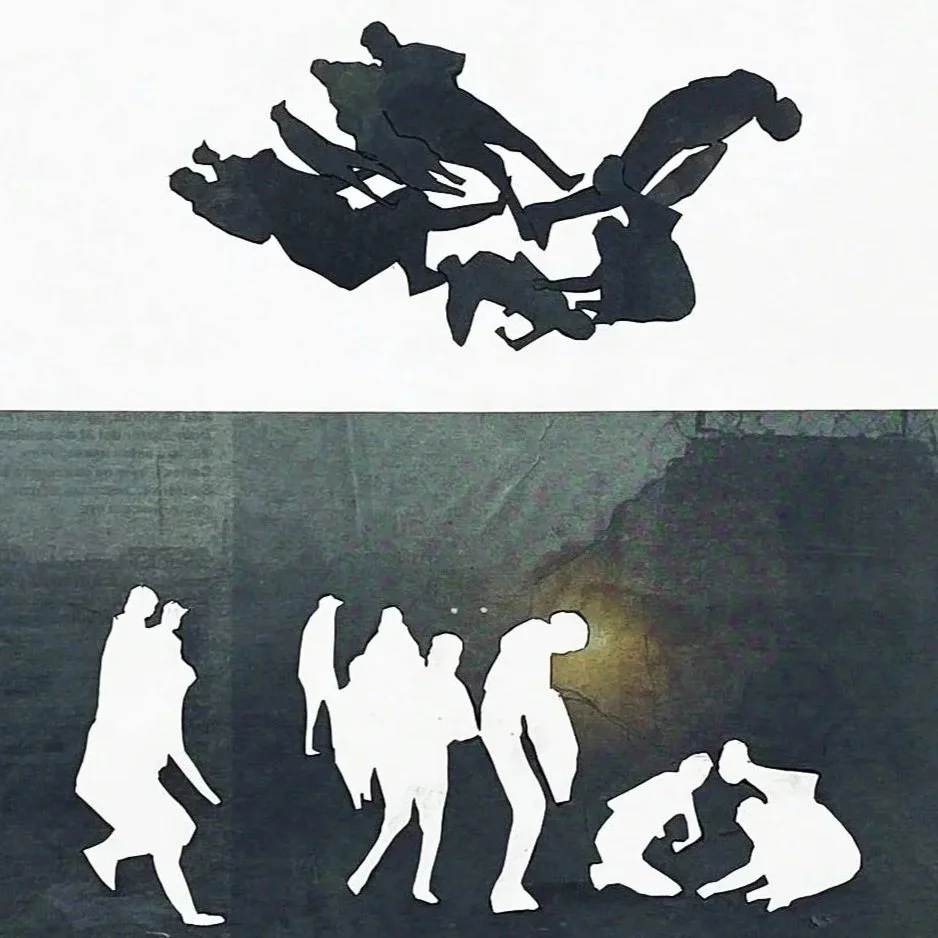
Newspaper and thread, 21cm x 29cm, 2025
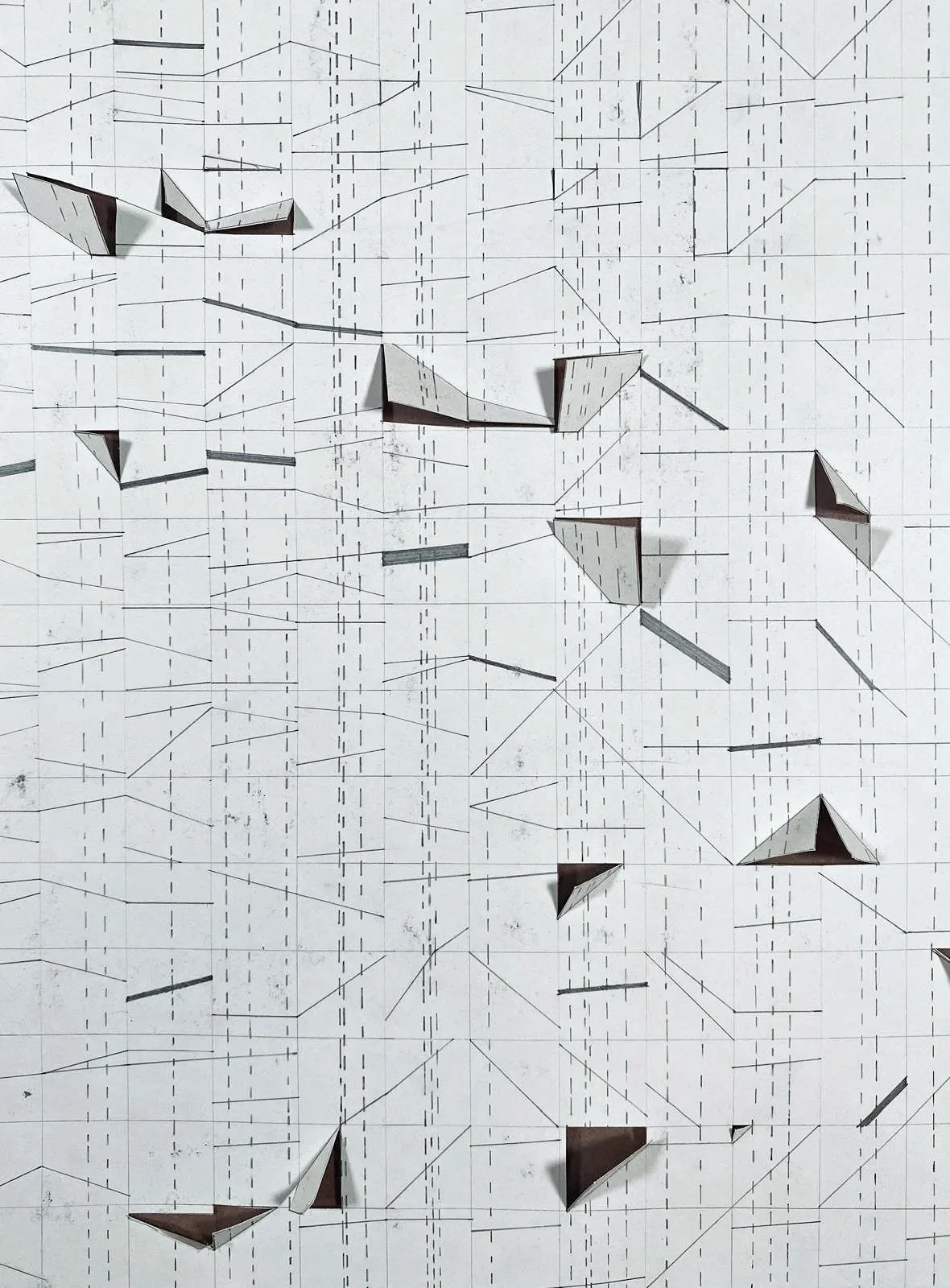
Drawings, lenticulars and models
Silva Ajemian with Aslihan Demirtas
Commissioned for ‘Blind Dates‘, exhibition curated by Neery Melkonian & Defne Ayas, Pratt Manhattan Gallery, 2010-11, New York City
models by Richard Tenguerian
photos by Silva Ajemian
Commissioned for ‘Blind Dates‘, exhibition curated by Neery Melkonian & Defne Ayas, Pratt Manhattan Gallery, 2010-11, New York City
models by Richard Tenguerian
photos by Silva Ajemian
At Ani, a bridge once connected the two banks of the Akhurian/Arpaçay river. Today, of the now collapsed bridge, only the abutments on the two sides of the river remain, one in Turkey and the other in Armenia. As the remains of the bridge exist in two territories, Ani exists in two worlds, at once an important historic Armenian capital and an archeological ruin in a military zone in Turkey at the border with Armenia.
Two architects are seduced by the collapsed bridge.
Their project consists of a series of visual, graphic and tectonic ‘conversations’, set up to investigate and interpret the multiple existences of Ani, the river and its disconnected bridge. The ‘conversations’ start by revealing the lenticular existence of the place and develop by interweaving the resulting existences, references and projections.
19th INTERNATIONAL ARCHITECTURE EXHIBITION VENICE
23.05 - 29.11, 2025
Intelligens: Natural. Artificial. Collective.
Armenian Pavilion: Against Complicity
Silva Ajemian and Jorge Eduardo Prado
The news today. On the one side, exploding pagers and walkie-talkies, imploded cities, drones, missiles, tanks, ethnic cleansing, refugees, terrorism, genocide, ecocide, resignation, fake news, propaganda, co-opted supply chains, et al. On the other, futurism, intelligence, inclusiveness, progress, technology, changing the world, transformation, fearlessness, et al. Architects undertake collective efforts to make proposals for a more responsive, resilient architecture, one with capacities to provide for people, for solutions, for redemption.
Weaponization.
The ethos of the day is weaponization, the exploitation of an existing condition to promote its opposite conclusion. To exploit architecture constructed as shelter to promote instability, displacement and casualties. Buildings are collapsed on people. Is the building the weapon or is it the bomb? Under what conditions are Architects being asked to provide?
Complicity.
Architects are called upon to deliver progressive solutions. We ask ourselves what morals and mores are expressed through architecture. How can architecture be complicit?
Architectural Amnesia.
Architecture is based on an agreement that public and private clients provide a site for development and a program from which Architects design a solution. However, this fragile consensus is predicated on a mutual agreement to value inhabitants and users. This codependency is existential.
However, to arrive at a solution requires exchanges of information with clients and stakeholders. For all the information exchanged there will be information withheld, plans unaccounted for and unaccountable. Will the buildings be used for their intended purposes? What of the site? What is its history? Has its chain of ownership been correct? Without these difficult questions, the alternative is what we call Architectural Amnesia. It is the bedrock of our complicity.
Erasure.
“History is written by the victors,” a phrase that comes to us from a contentious world history, one that illustrates the idea of cultural erasure. The erasure of a people is genocide. The erasure of a place is urbicide (destruction of a city) and domicide (destruction of housing). All serve strategic goals and tactical expediencies. “Bomb them back to the stone ages” is another phrase, employed by another empire to express the belief that a site could be cleansed back in time. But can it? Who is listening to the oral histories of people walking around with keys to their family homes destroyed by one political expediency or another?
Architectural Amnesia grants the practitioner an answer to this question: “It is not in my scope.” Beyond architectural memorials or “archaeological” museums (both subject to amnesiac chronologies), what building typology is granted the authority to transgress Architectural Amnesia?
Alternatively, every attempt at erasure exists as another sediment layer both literally and metaphorically, in the strata of collapsed floor plates as well as in biological and psychological strata of the people buried and above. It is the additive, unforgettable voice of the vanquished that must be heard. History to be written by the vanished is our revisionary history, our moral code, our stratagem.
Typologies.
Every day, we witness buildings collapsed on the very people they were designed to protect. Shelters become tombs. Tombs become reusable construction materials. Reusable construction materials become shelters. Where have all the people gone? Where are the architects? How do we think of building or rebuilding when the building itself is both the weapon of annihilation now and the building blocks of the future?
If architecture begins as an act of destruction, the excavation of the foundation, then what role will the architect perform in sifting the sedimentary layers exposed? Unearthing histories whose telling is still oral. Unearthing histories that are still warm to the touch.
Curatorial Proposal.
Architects are tasked with expressing community and cultural values in the built environment. It is inconceivable that we accept the attitude that the built environment is mere bricks, mortar and technology to be erased at the push of a button.
Revalorization is our revisionary history. The built environment exists as a moral imperative. While concrete solutions to achieve this revalorization may be beyond the scope of architects, cultural resiliency is still rooted in our willingness to raise questions. Expression is our stratagem. Expression is resistance. As such we will engage Armenian architects across the globe to collaborate on the task to conscientise the architectural community against complicity, against amnesia.
A formal request for proposals will be developed and published to the Armenian architecture community soliciting collaborative proposals exploring this theme. We present the Armenian Pavilion as provocation to the architectural community at large. Solutions may be illusive or unattainable but the need to raise questions, to challenge laws, to expand the role of the architect, to delve into history, or even to rewrite architectural curricula, are all part of potential proposals we seek.
Installation.
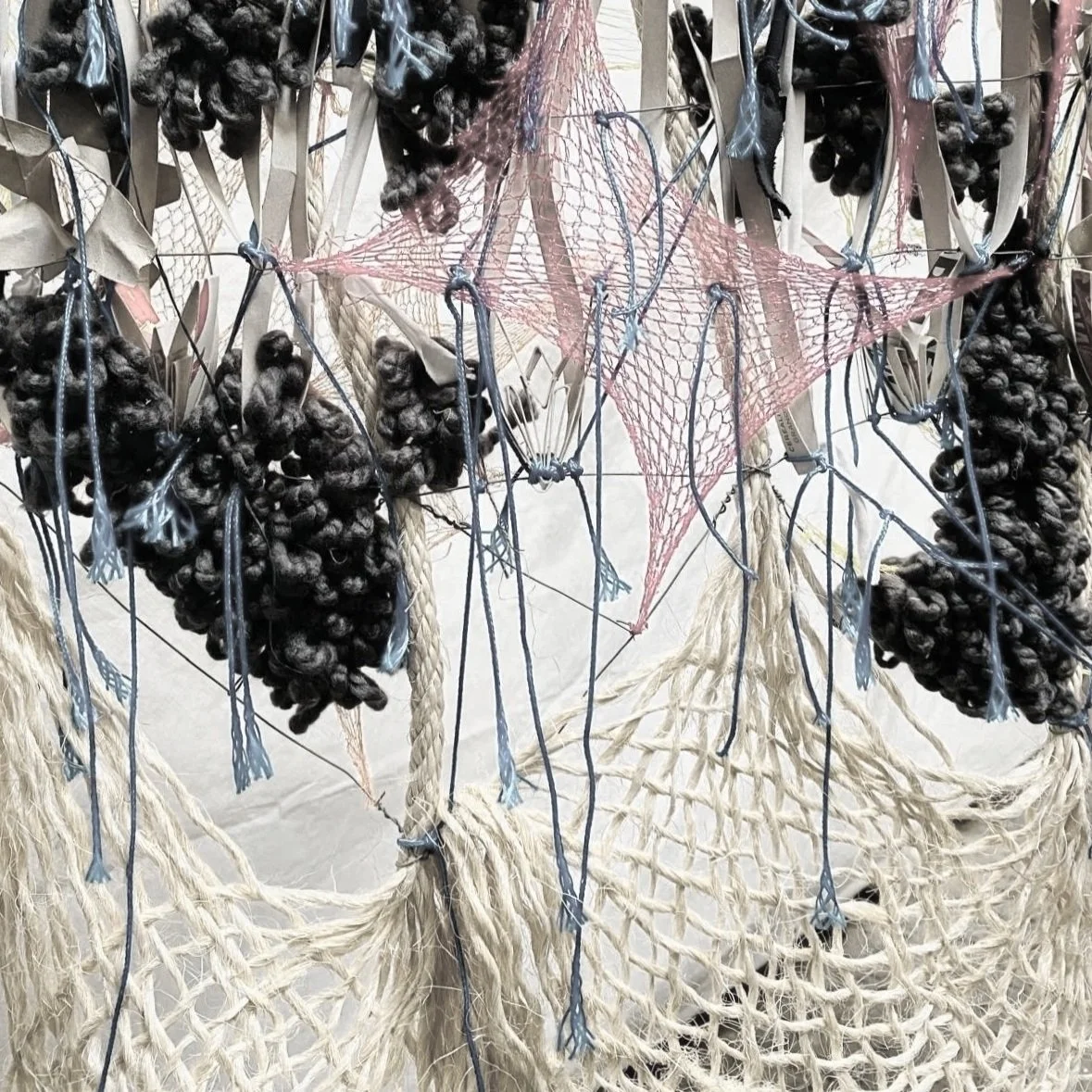
The exhibition design will spread across the exhibition hall creating zones for exhibition of collaborative projects. The first zone contains a woven knotted rug that represents the home. The home that shelters, where life happens. The ground plain beneath our feet becomes both focus and frame.
The carpet slowly disintegrates, and its strands rise to inhabit the next zone, the intermediate space of vanishing. The walls recede. We imagine the radical disassembly of the home through the disassembly of the rug as it stretches across the space providing an undulating path through lumps, masses.
Finally, the path leads to the third zone where the strands of the weave are isolated to form a perfect grid hanging above our heads, metaphorically vanishing us below the ground plane. The grid above is the tabula rasa where all histories are erased and the amnesiac new is contemplated. We inhabit the underground. If available, we envision the third zone as an outdoor space filled with plants standing in for life underground.
In this envelope, the collaborative projects will be displayed or projected throughout the three spaces based on their content, on walls, floors, ceilings and pedestals.
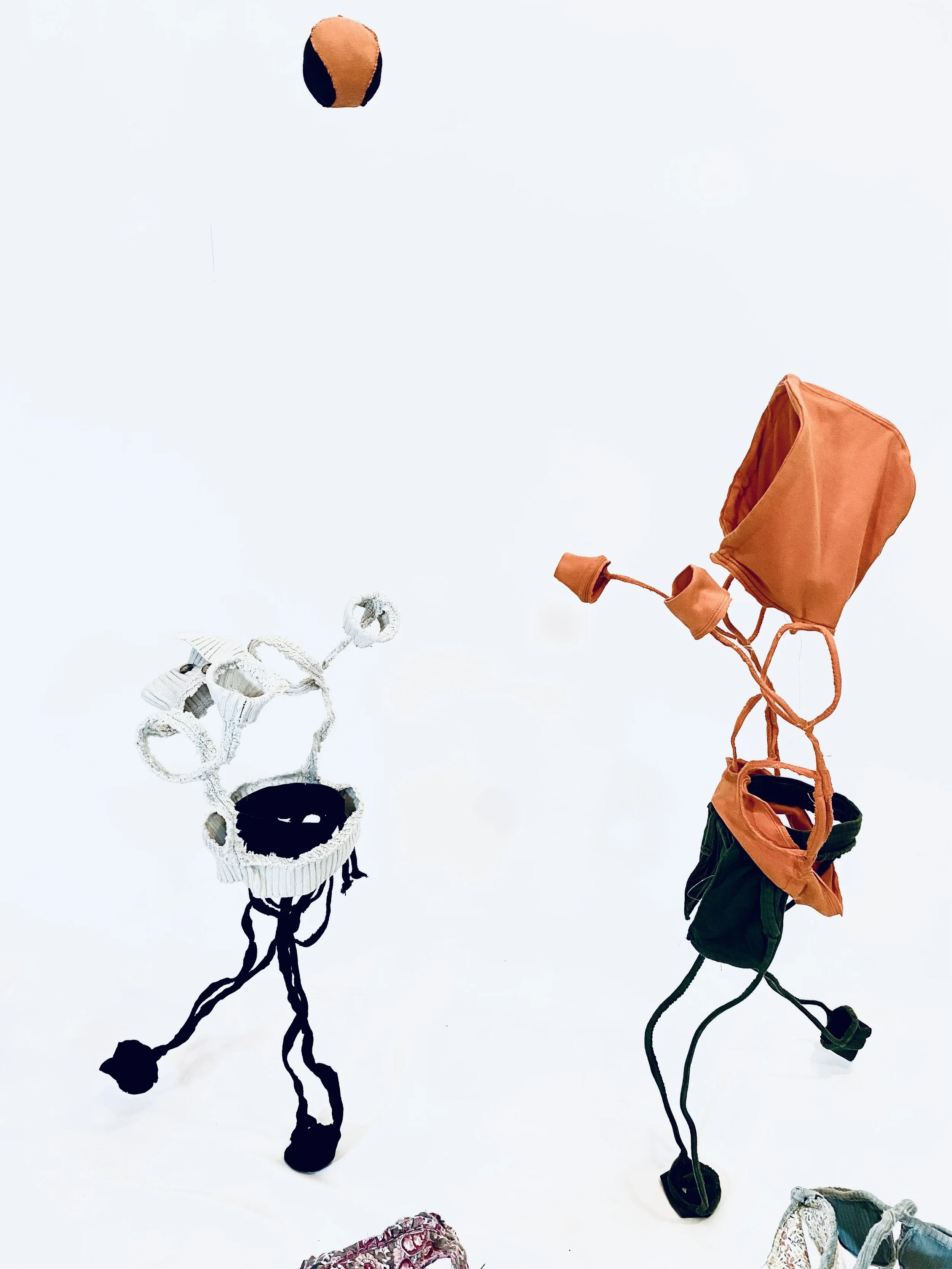
Mixed media, ongoing
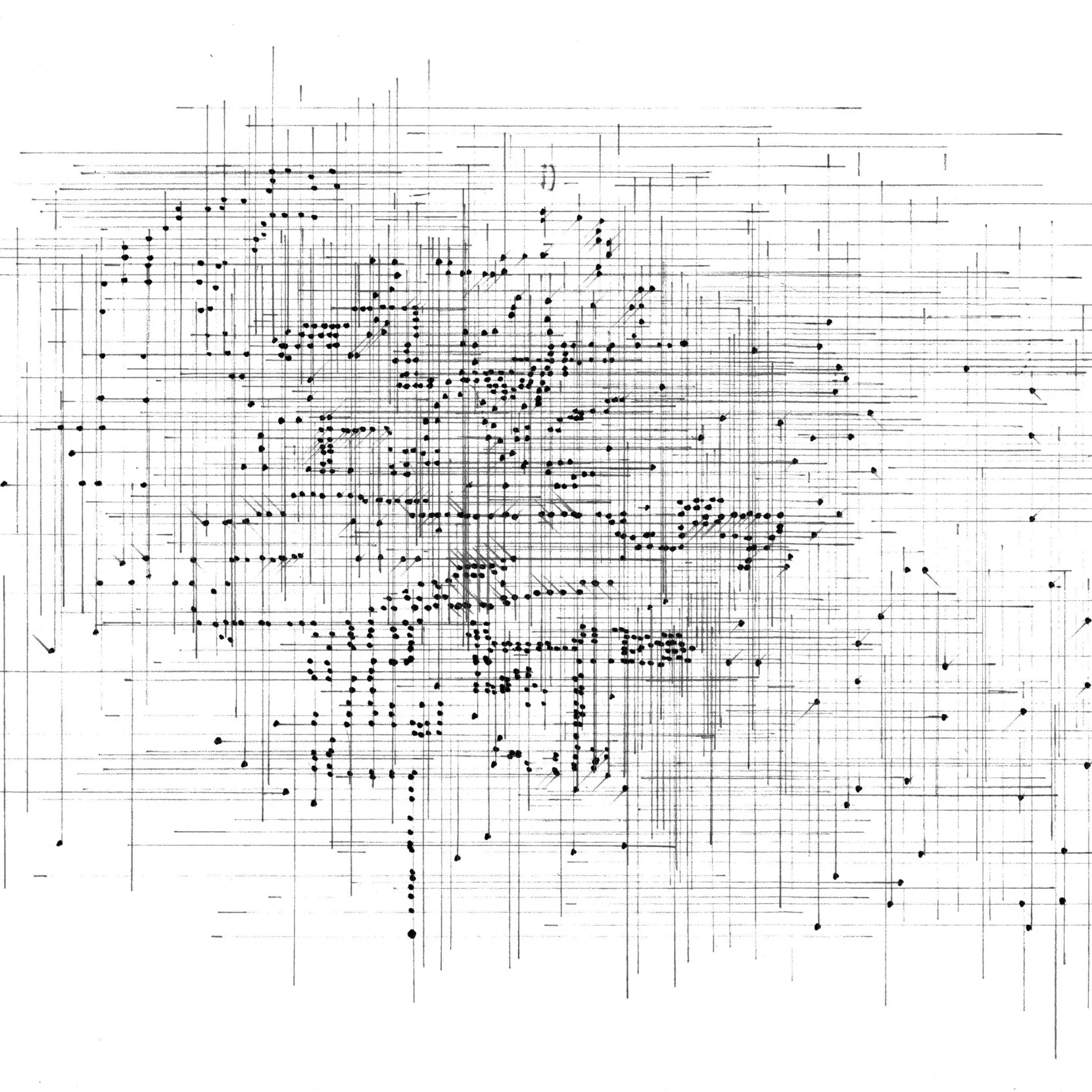
Pencil and paper, 21cm x 29.7cm, 2013
WOVEN, plywood and rope, 18”x18”, 2012
Material: Cast polyester resin, 2007
Sizes in inches: Plate: H 10, Bowl: H 3, Diam 6.5, Wine Glass: H 6
Silva Ajemian and Jorge Prado (TODO DA)
What happens when the protective wrapper erodes the thing it was designed to protect?
Bubble wrap is a frozen, iconic, disposable policy; the proBubble – Beirut Banquette
What happens when the protective wrapper erodes the thing it was designed to protect?
Bubble wrap is a frozen, iconic, disposable policy; the protector of all things breakable. What if bubble wrap had an agenda? What would that be? True to this ideology, this crystal and china is uniquely malfatto in origin and execution. Each piece is uniquely ruined.
Material: Cast polyester resin
Sizes in inches: Plate: H 10, Bowl: H 3, Diam 6.5, Wine Glass: H 6tector of all things breakable. What if bubble wrap had an agenda? What would that be? True to this ideology, this crystal and china is uniquely malfatto in origin and execution. Each piece is uniquely ruined.
Bamboo and rocks, 20cm x 30cm each, 1999
Silva Ajemian and Jorge Prado (TODO DA)
Painted plywood, H 32” x W 40” x D 38”, SH 16”, 2007
Silva Ajemian and Jorge Prado (TODO DA)
Dual seating, volumes, void.
The whispering of sweet nothings between us.
Grace Duo is a further exploration on the silhouette/void vibration first explored in Grace.
Grace came to us as we were making a paper model of another chair. As we began to rotate the paper model and look at the object in our hands from different angles, we began to think about the space that contains the object and how the object defines the space around it.
In Grace Duo, two seats are complemented by four voids. A pass through from front to back pierces the voids to further undermine the monolithic and to expose the structural frame.
Grace Duo provides personal space for contemplation while allowing conversation among friends and strangers.
Kirei Board, 66”x71”, 2007
Silva Ajemian and Jorge Prado
Initially conceived as a one-off room divider of interlocking, operable panels, the Meshoush screen projects a strong totem-like figure when folded closely. As it unfolds, its various arms carve forms from the space around it. With Meshoush, we exploit the juxtaposition between the highly figured Kirei board and geometric abstraction to create a primal yet refined definer of space.
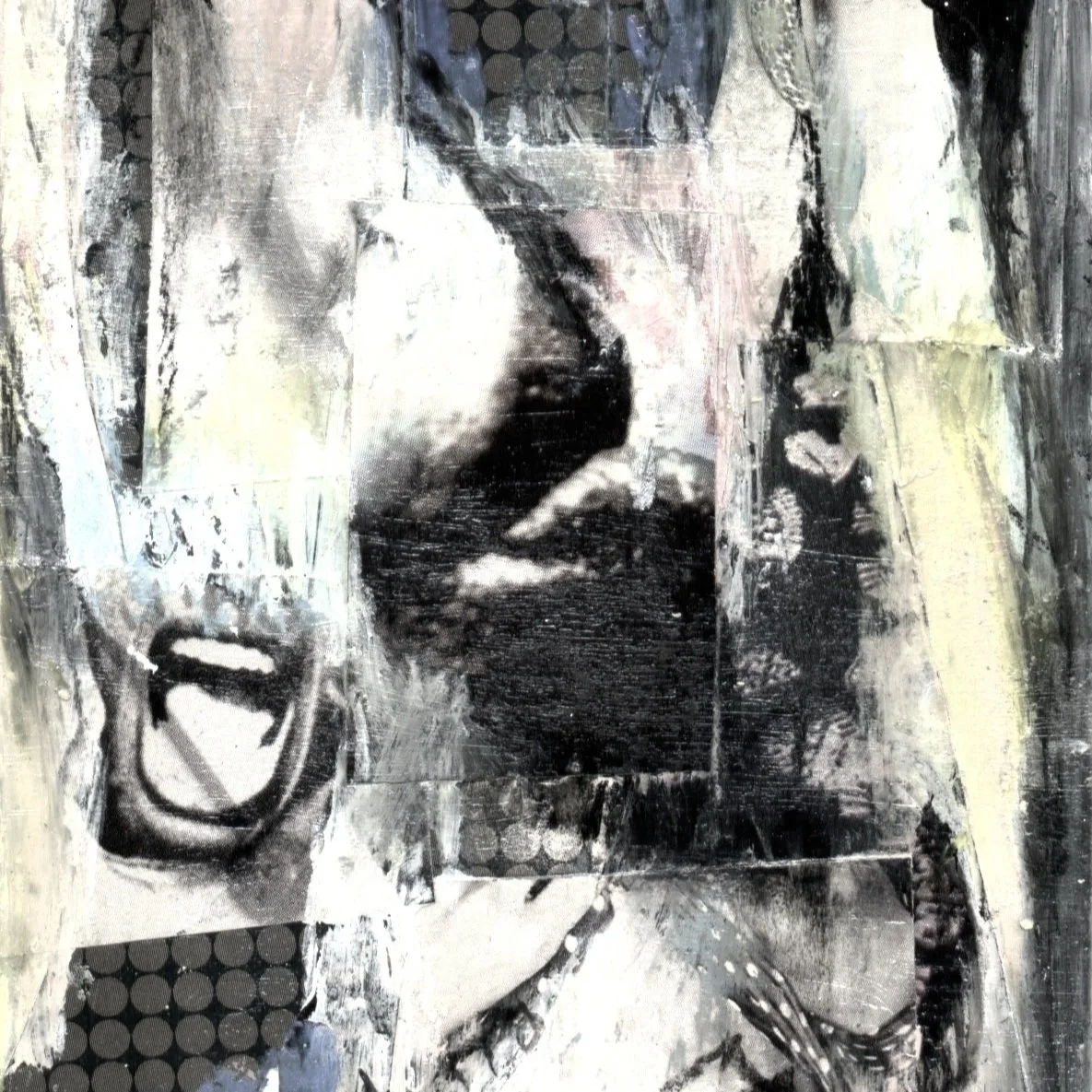
Mixed media, 10cm x 15cm, 1990-1999
Landscapes in the sky, 2005
Silva Ajemian, Jorge Prado with Stefanie Werner
We propose to transform billboards into sustainable landscapes. Unlike the inhabitable New York City skyline, the structural silhouettes of commercial billboards populate the city’s horizon, indifferent to any use other than transmitting paid advertisements. We propose to exploit these structural resources for community improvement and to seed landscapes in the sky.